How cooperation works
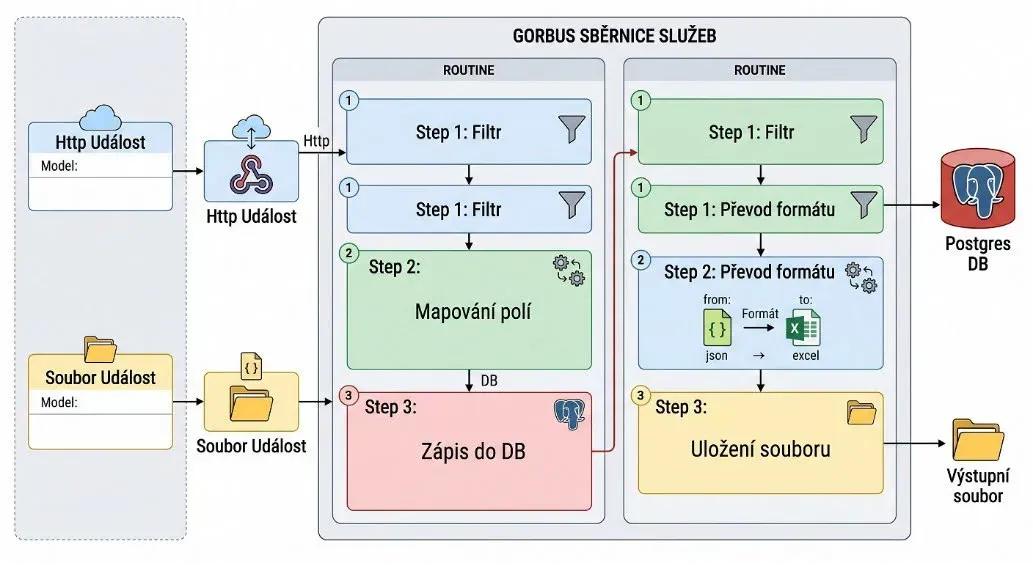
According to the website, cooperation starts with a free 60-minute initial consultation, online or on site in Prague. This is followed by a process analysis and rating usually lasting 1 to 3 weeks, the output of which is a report with priorities, an estimate of benefits and a proposed target architecture. Delivery runs in weekly iterations with ongoing demos; the company delivers smaller integrations within weeks and splits larger projects into milestones. On handover, the client receives the documentation and the source code.
Pricing and payment terms
The company publishes an indicative price list: the initial consultation is free, process analysis and rating starts at CZK 25,000, integrations, adapters and custom development from CZK 1,500 per hour or at a fixed project price, and expert oversight and SLA-based support as a flat fee from CZK 8,000 per month. For projects, the company prefers a fixed price. It invoices businesses with 14-day payment terms and splits payment into milestones on larger projects, typically a 30% deposit and the remainder after handover.
Warranty and service level (SLA)
The company provides a standard 6-month warranty on delivered solutions from handover into operation, unless the contract states otherwise. According to its Warranty and SLA page, it responds to a critical incident, i.e. an outage of the solution in production, within 4 hours on working days and to a standard request within 1 working day; an individual SLA, for example outside working hours, can be agreed separately. The warranty does not cover defects caused by third-party intervention or by changes in integrated third-party systems.
Availability and form of cooperation
According to the website, phone and WhatsApp are available on working days from 9:00 to 17:00, and the company replies to emails within 24 hours on working days. Most of the work is done remotely, and meetings are held online or in person at the client’s premises in Prague and the surrounding area.
Articles and downloadable materials
On its website, the company publishes expert articles on B2B integration, on choosing between AI and a classic rule-based automaton, and on choosing between the Make platform, a custom adapter and a direct API. For download, it offers the PDF guide Základy integrace B2B (Basics of B2B integration) and a detailed offer of the B2B Automation Ecosystem with case studies.
Internal AI tools
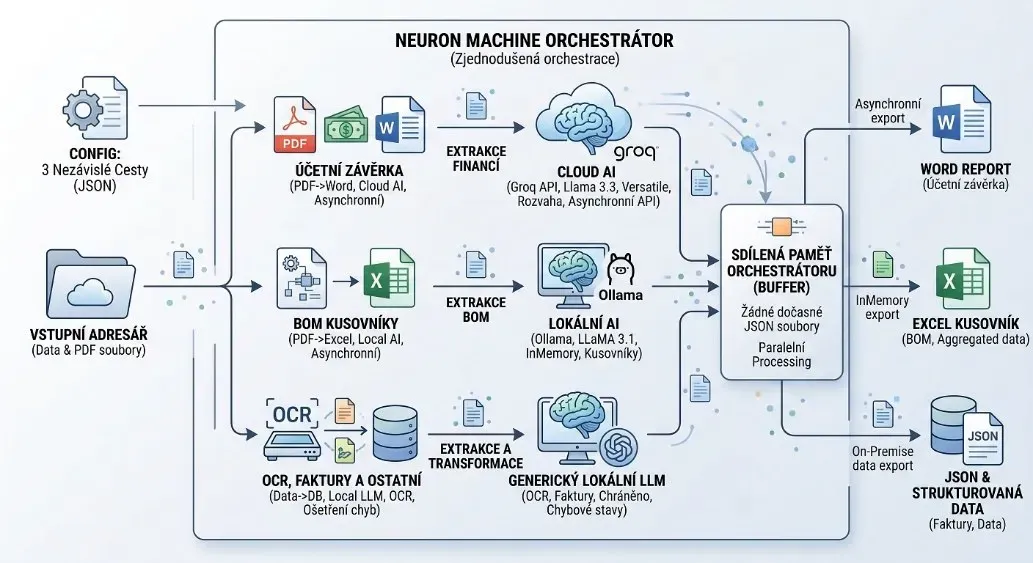
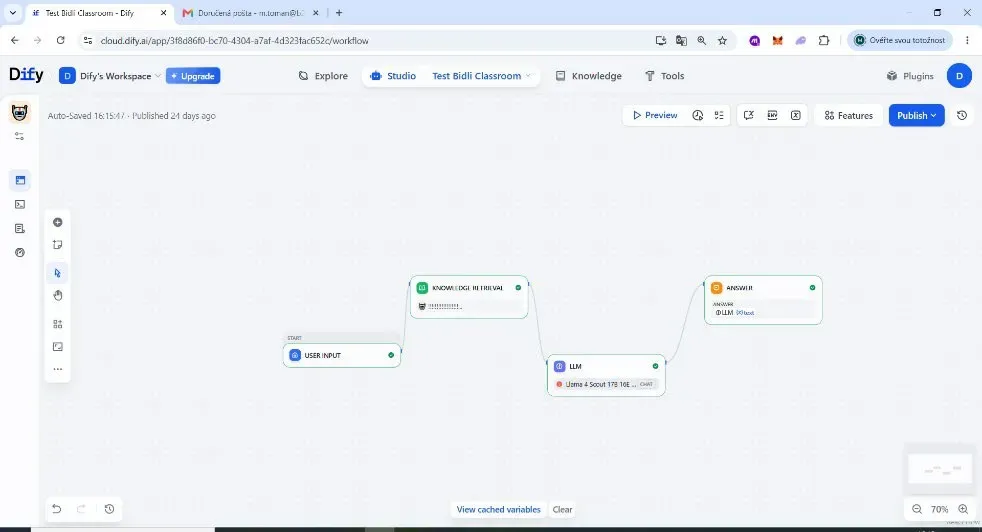
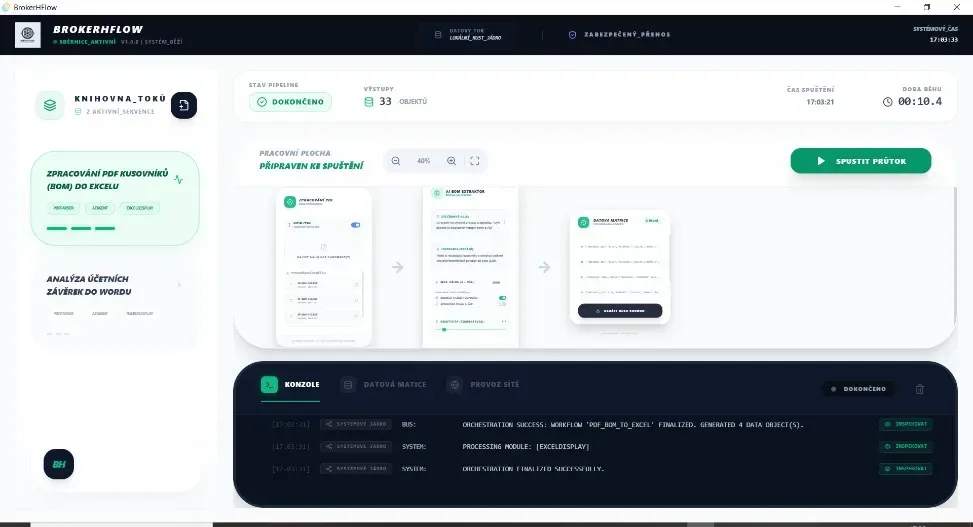
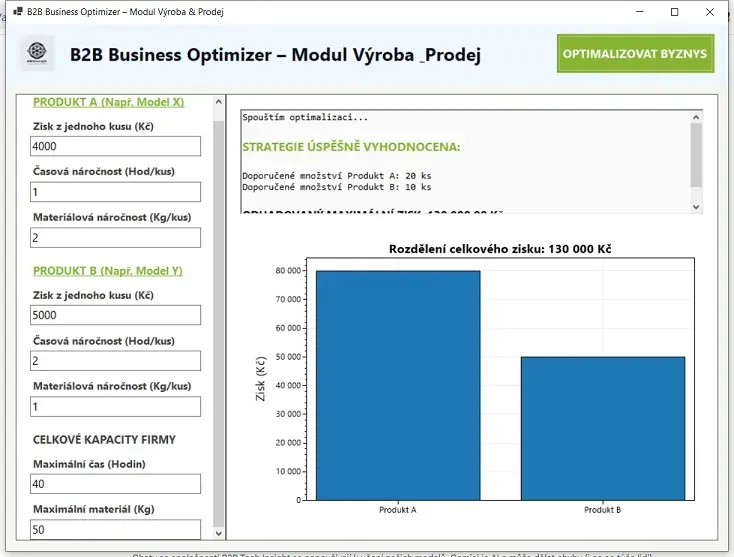
The company states that in 2026 it developed its own internal AI tools, for example for document scoring and a project dashboard, on which it tests approaches before deploying them for clients.